Thursdays, February 5 to March 5, noon – 1 pm
Each winter, the Legal Food Hub runs a free webinar series to help inform farmers, food entrepreneurs, and food and farm organizations about important legal topics relevant to their businesses. All webinars are free and registration can be found below. Recordings of the webinars will be available in our Resource Library at the end of the series. Please email mlovellegan@clf.org with any questions.
February 5: Small Business Setup & Taxes
Attorney Andrew Kraus, Opticliff Law & CPA Mike Perna, Flying Point Advisors
As someone in the beginning stages of starting a farm or food business, you recognize that running a business has certain legal and tax-related implications. This webinar will cover high level information about legal and tax requirements for maintaining a business entity, examples of what your business can expect to be taxed on, and common mistakes start-up business owners make that can be very costly.
About Andrew Kraus (click to expand)
Andrew Kraus is an attorney with Opticliff Law in Portland, ME. His business and trademark practices advise clients on how to protect themselves while creating a sustainable and compliant business endeavor. He has volunteered through the Legal Food Hub since its inception 10 years ago.
About Mike Perna (click to expand)
Mike is a licensed Certified Public Accountant from Freeport, Maine. After 18 years of working in finance, he began Flying Point Advisors. He enjoys accounting, taxes, and financial planning. He likes helping his clients so that they can spend more time doing what’s important to them.

February 12: Exploring H2A
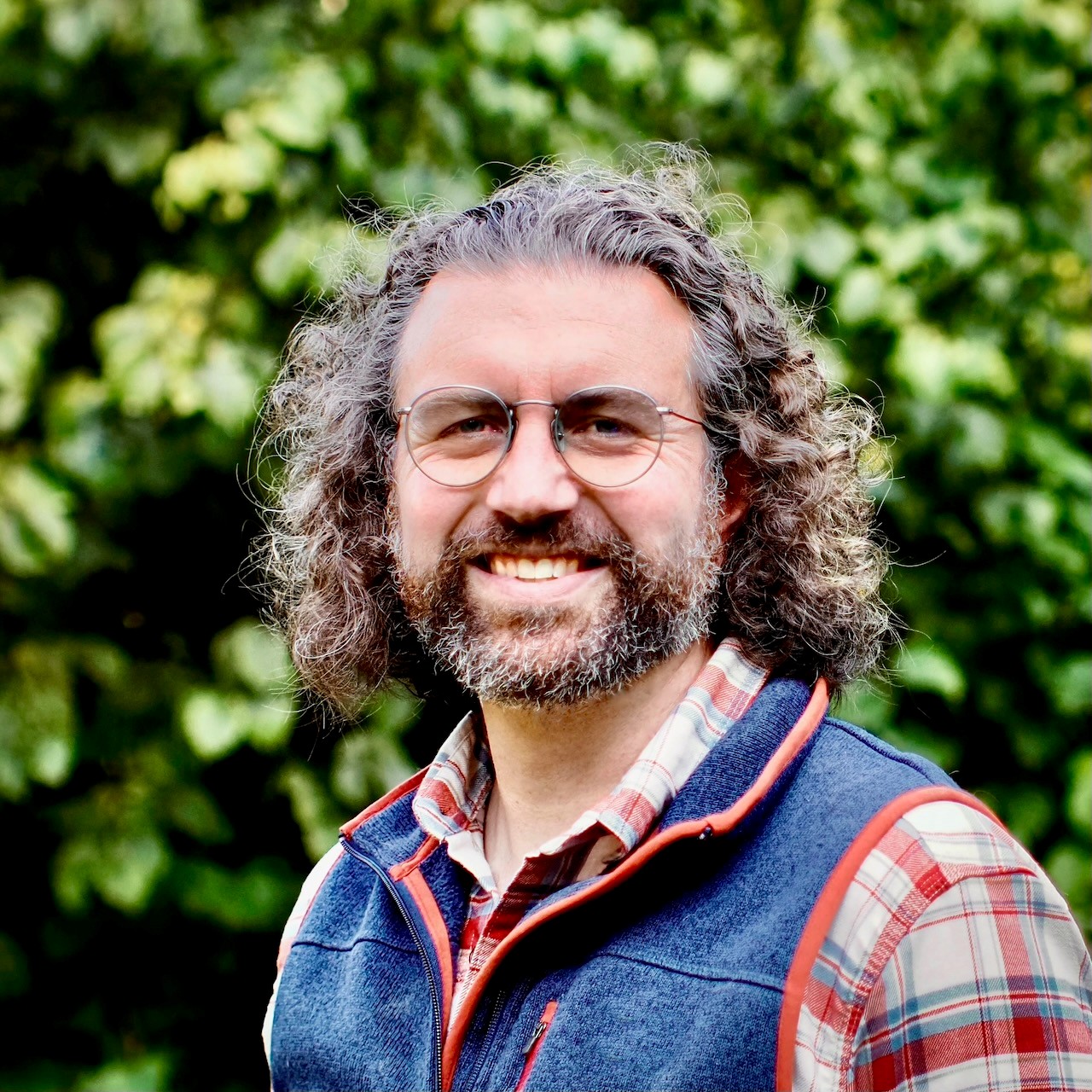
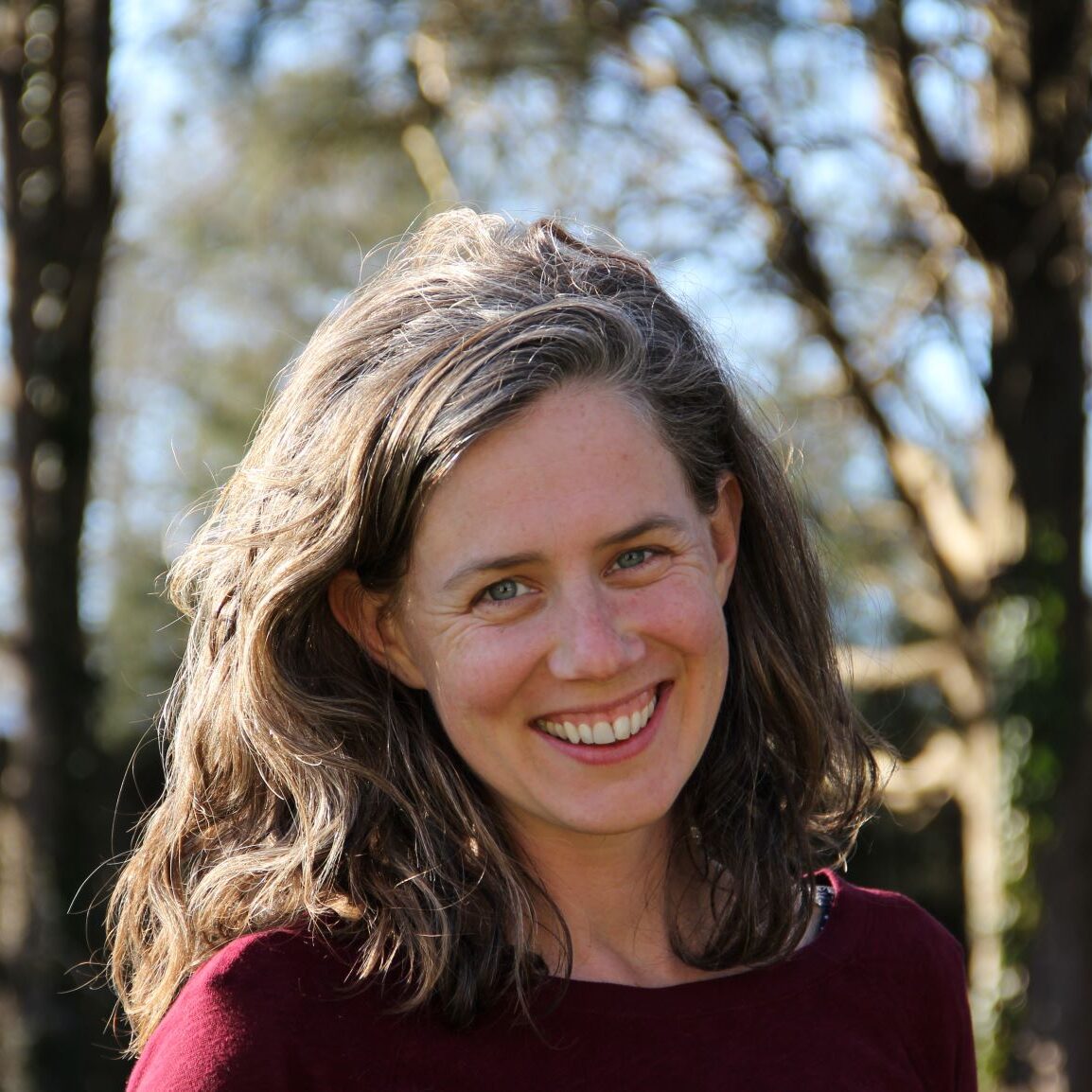
Attorney Chloe Johnson, Farm Commons
The H-2A Visa Program makes it possible for farmers to bring in citizens of other countries for agricultural work in the United States. With a tight labor market, the visa program is experiencing a lot of growth – farmers who have never considered it before are taking a closer look. This webinar will help farmers assess whether H-2A might help address their labor shortage issues. We’ll also go over the extensive regulatory obligations that come with participation in this program.
About Chloe Johnson (click to expand)
Chloe Johnson is an agricultural law attorney based in North Carolina, specializing in the legal needs of small- and mid-size sustainable farms. She serves as Farm Commons’ Staff Attorney, translating complex legal topics into culturally responsive, accessible education while advising farms on business formation, zoning, employment law, food safety, and real estate. Chloe earned her law degree from the University of Georgia School of Law in Athens, GA.
February 19: Farm Property Insurance
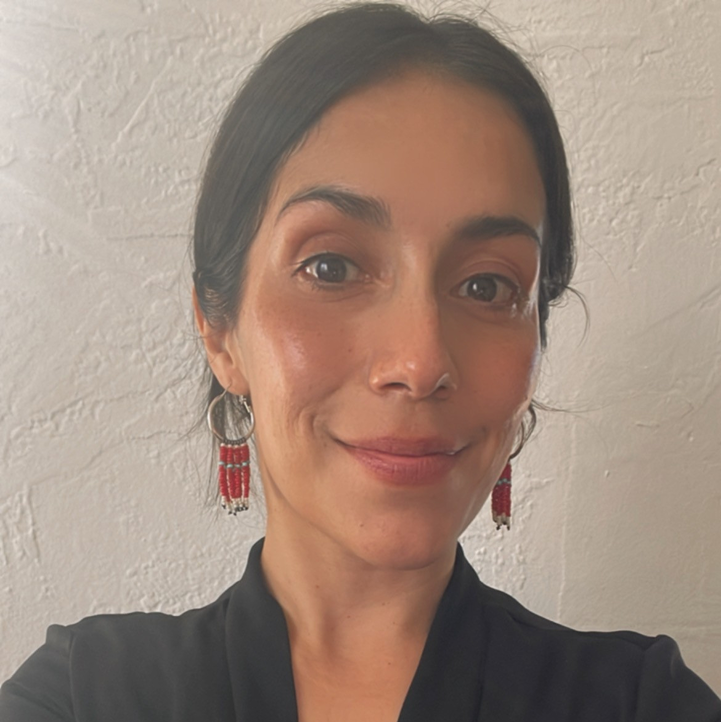
Jeanette Ramirez, Farm Commons
Running a farm or ranch business often depends on buildings, equipment, vehicles, and supplies for day-to-day success. If these valuable resources are lost or damaged, it can be devastating to profitability. Different types of property insurance can help address this risk, but only if the farmer clearly understands how these products work. Does your operation have the coverage it needs? Get clear on what items on your operation you want covered from the perils that are of top concern to you with this webinar.
About the Jeanette Ramirez (click to expand)
Jeanette Ramirez is Farm Commons’ Education & Leadership Facilitator, bringing extensive experience in agricultural food safety, training, and community-centered facilitation. She develops resources and leads learning spaces that support farmers and agricultural communities, emphasizing care and equity. Jeanette holds multiple food safety certifications, including PSA Trainer and HGAP Auditor, and has co-created training materials to help farmers implement safe practices. She also participated in the Food Systems Leadership Network Mentoring Program and the Bioneers Learning Leadership Program, shaping her work in food justice and agricultural equity.
February 26: Farmers and Lending Law
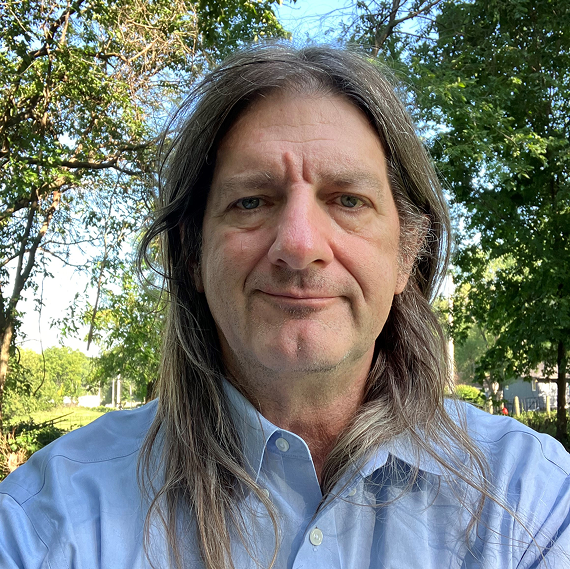
Attorney Stephen Carpenter, Farmers Legal Action Group
This webinar will look at the way the law approaches lending when the farmer has trouble making payments. We will discuss the common types of loans, forms of collateral that are often used, and actions that lenders can take – generally foreclosures, repossession, judgments, and refusing to extend additional credit. Attorney Carpenter will also provide a brief summary of how bankruptcy law applies to farmers and summarize some of the common mistakes a farmer in that situation might make. Lastly, he will describe some of the special rules that apply when USDA’s Farm Service Agency (FSA) is the lender and the decision to approach a lawyer.
About Stephen Carpenter (click to expand)
Stephen is the Deputy Director and Senior Staff Attorney at Farmers Legal Action Group. His work has centered on discrimination in agricultural lending, debtor-creditor issues for farmers, Covid-19 and disaster assistance, legal issues for beginning farmers, federal farm and farm loan programs, problems of farmers contracting for carbon capture and for livestock production, urban farming land access, sustainable agriculture, and farmer direct marketing. In addressing these issues Stephen has worked closely with dozens of grass-roots farm organizations. Stephen has conducted frequent webinars for farmers, advocates, and attorneys and has spoken to farmers and their advocates in more than forty states.
March 5: USDA NAD Appeals: What Farmers and Organizations Need to Know
Attorney Erin Hannum, Farm Commons
This webinar explains when USDA decisions can be appealed through the National Appeals Division (NAD) and what to expect from the process. We’ll cover key deadlines, how to tell if your decision is appealable, and practical tips for preparing for a NAD hearing. Designed for farmers and organizations seeking clarity, confidence, and real-world guidance.
About Erin Hannum (click to expand)
Erin’s work with Farm Commons builds on a career practicing law for over twelve years in an array of contexts, including litigation on issues related to corporate accountability, public health, and clean water. She has also helped numerous non-profits and small businesses with formation, filings, and general legal needs. Her work with Farm Commons merges a love for farming, aspiration for a healthier food system, and legal expertise. Today, Erin focuses on aligning Farm Commons’ operations with the organization’s mission and vision.